Art can be many things at once: a cultural object, a personal expression, a part of a collection and, potentially, a financial asset.
For new collectors, however, buying art should begin with appreciation for the artwork rather than the expectation of financial returns.
Look at the Artist
Before purchasing, take some time to understand the artist and their practice.
Consider their exhibition history, gallery representation, recognition, artistic development and the consistency of their work. While these factors do not guarantee future value, they can help you make a more informed decision.
Emerging Artists
Emerging artists can be particularly interesting for new collectors. Their work may be more accessible, while collectors have the opportunity to follow their careers as they develop.
However, no artist can be guaranteed to increase in value. Art should therefore be collected because the work itself has meaning and appeal.
Understand What You Are Buying
Before making a purchase, understand whether you are buying an original artwork, limited edition or reproduction.
It is also important to ask about authenticity, provenance and documentation, particularly for significant purchases.
Collect for the Long Term
Art is generally best approached with patience.
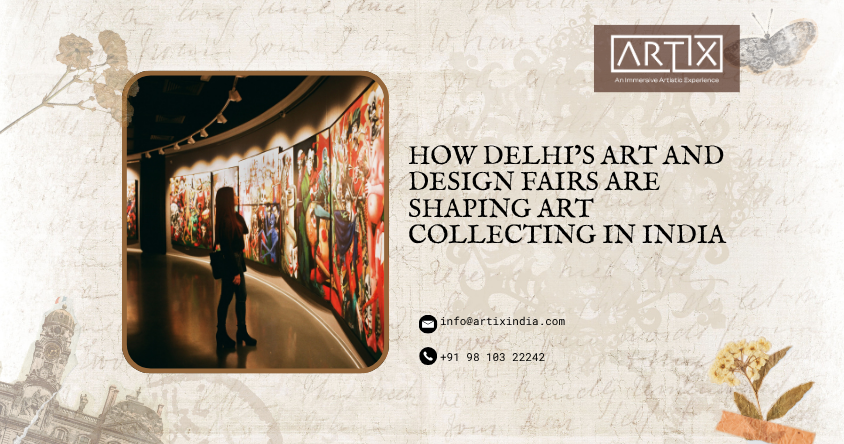
Instead of focusing only on what might become valuable, explore exhibitions, visit galleries and art fairs, speak with artists and gradually develop your own understanding of what you like.
Over time, this knowledge will help you build a collection that reflects your personal taste.
The Real Value of Art
Financial appreciation can be an added benefit, but art offers something that traditional investments cannot: the opportunity to live with an object that carries creative, cultural and emotional value.
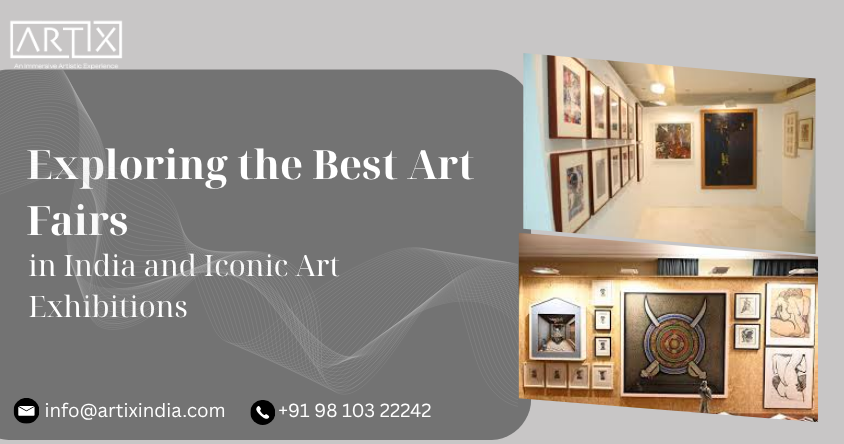
Art fairs can be a useful starting point for new collectors because they bring together multiple artists and galleries in one place.
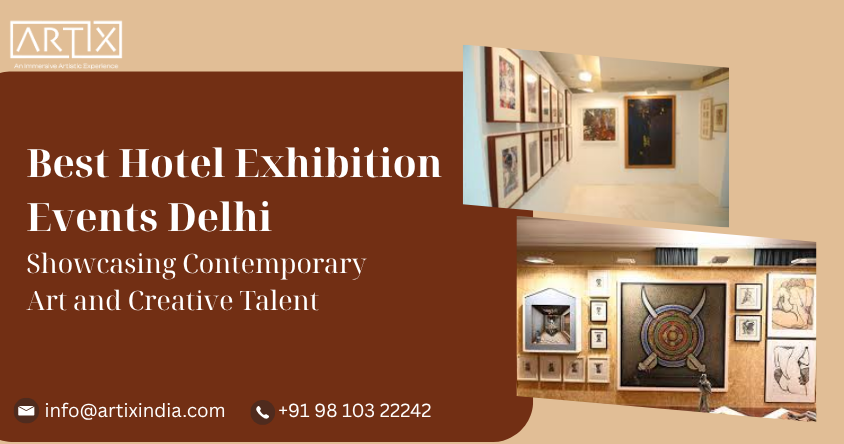
Through its hotel art fair format, ARTIX creates an intimate environment where collectors and art lovers can discover artists, explore different practices and engage directly with the art world.
The best collection isn’t necessarily the one with the highest monetary value. It is the one that reflects curiosity, personal connection and thoughtful choices.